
Could Licorice Root Extract Be the Gentle Brightener You’re Missing?
In the quest for radiant, even-toned skin, many people struggle with harsh brightening ingredients that irritate Sensitive Skin or cause unwanted side effects. But what if there’s a natural solution that delivers effective brightening while nurturing the skin?Licorice root extract, derived from the roots of Glycyrrhiza glabra and Glycyrrhiza uralensis plants, has emerged as a standout ingredient in skincare—blending scientific-backed efficacy with gentle care that suits most skin types. From fading dark spots to calming inflammation, this botanical extract offers a multifaceted approach to brighter, healthier skin, supported by decades of research and clinical trials.
What Is Licorice Root Extract, and How Does It Work?
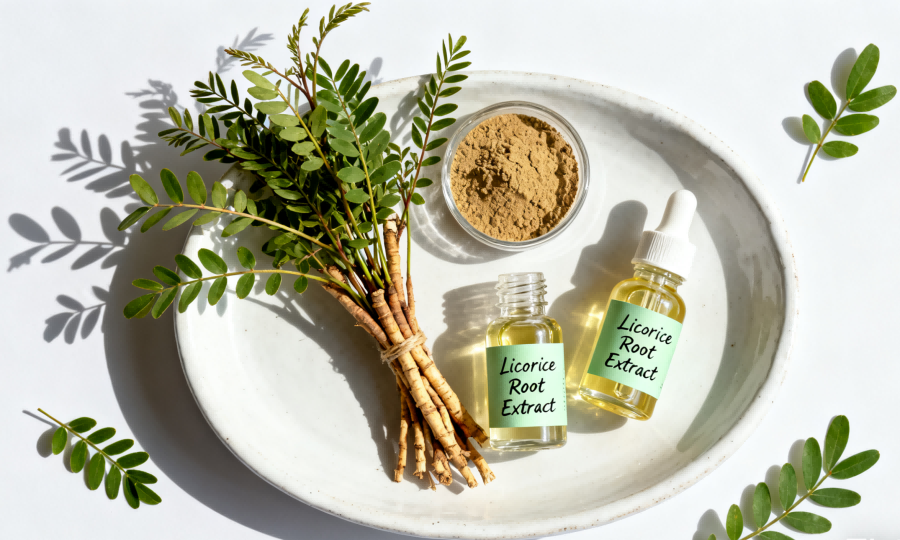
Licorice root extract is a concentrated form of bioactive compounds extracted from the dried roots of licorice plants, a staple in traditional medicine for centuries. Its skincare benefits stem from three key active components: glycyrrhizin (and its derivative glycyrrhizic acid), glabridin, and liquiritin—each playing a unique role in skin brightening and health.
The brightening magic of licorice root extract starts with its ability to target melanin, the pigment responsible for dark spots, sun damage, and uneven skin tone. Unlike some ingredients that destroy melanocytes, licorice root extract works gently by inhibiting tyrosinase, the enzyme that triggers melanin production when skin is exposed to UV rays. Glabridin, a potent flavonoid in the extract, takes this a step further by blocking UVB-induced pigmentation pathways and even reversing existing melanin discolouration. Research published on Skin Whitening Science notes that glabridin’s depigmenting efficacy exceeds that of hydroquinone, a common synthetic brightener, without the associated irritation.
Beyond brightening, licorice root extract acts as a powerful anti-inflammatory and antioxidant. Glycyrrhizin mimics the calming effects of cortisol by reducing histamine release and inhibiting inflammatory pathways like NF-κB. This makes it ideal for soothing redness, irritation, and even conditions like atopic dermatitis and rosacea. Its antioxidant properties, driven by compounds like licochalcone A, neutralize free radicals—damage from UV rays, pollution, and stress—that accelerate aging and dull skin. In fact, licochalcone A’s free radical-scavenging ability is 1.8 times stronger than vitamin C.
Key Benefits: Why Licorice Root Extract Stands Out
- Gentle on Sensitive Skin
Unlike high-concentration vitamin C, alpha-hydroxy acids, or synthetic brighteners, licorice root extract is well-tolerated by sensitive, reactive skin. Most cosmetic formulations use a 0.5%-2% concentration range, which delivers results without causing stinging, redness, or dryness.
- Multifunctional Efficacy
Licorice root extract doesn’t just brighten—its bioactive compounds address multiple skin concerns simultaneously. It regulates sebum production by inhibiting 5α-reductase, an enzyme that triggers excess oiliness, reducing facial oil secretion by up to 22% after four weeks of use. It also promotes collagen synthesis: in vitro studies show that 0.5% licorice root extract increases Type I collagen production by 40% by activating the TGF-β/Smad signaling pathway. For those dealing with acne, its antimicrobial properties inhibit acne-causing bacteria (Propionibacterium acnes) with an 82% inhibition rate, while calming breakouts and fading post-acne marks.
- Long-Lasting, Safe Results
Clinical research confirms the extract’s sustained effectiveness for hyperpigmentation. A randomized, double-blind, placebo-controlled trial published in a dermatology journal tested a 4% licorice extract cream (formulated with solid lipid nanoparticles) on 44 women with melasma. After 12 weeks, the treatment group’s Modified Melasma Area and Severity Index (MMASI) score dropped from 11.03 to 1.41—an 87% reduction—compared to a much smaller improvement in the placebo group. Importantly, the study reported minimal side effects, confirming its safety for long-term use. Another study found that 8 weeks of using a 1.5% licorice extract product reduced chloasma by 39.2% without irritation.
Applications in Cosmetics: How to Incorporate It
- Brightening Formulations
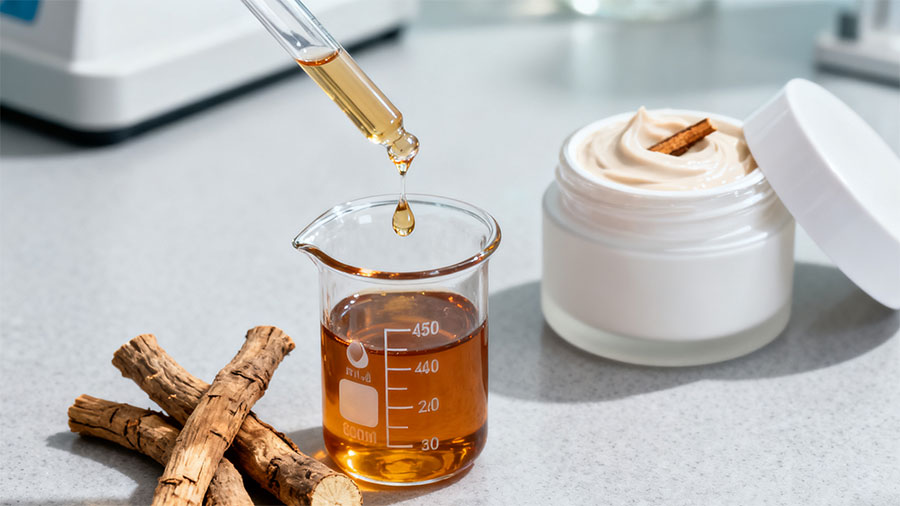
It’s a key ingredient in serums, creams, and masks targeting hyperpigmentation. These products often combine licorice root extract with complementary ingredients like vitamin C (for enhanced brightening) or niacinamide (for even tone), though formulations may avoid pairing it with strong acids like salicylic acid to prevent irritation.
- Soothing & Repair Products
For sensitive or compromised skin, licorice root extract is featured in toners, moisturizers, and post-procedure products. It’s often blended with centella asiatica, redness-reducing ingredients, or ceramides to enhance skin barrier repair.
- Oil-Control & Acne-Care
In products for oily and acne-prone skin, licorice root extract is paired with zinc or other sebum-regulating ingredients to reduce shine without over-drying. Its anti-inflammatory and antimicrobial properties help prevent breakouts while fading the red or brown marks left behind by acne.
- Daily Defense Products
Some sunscreens and daily moisturizers include licorice root extract to add an extra layer of protection against UV-induced pigmentation and free radical damage. Its antioxidant activity complements SPF by neutralizing residual free radicals that escape UV filters.
Safety Tips & Precautions
While licorice root extract is gentle for most, these tips ensure safe use:
- Patch Test: Before full-face use, apply a small amount of the product to the inner wrist or behind the ear. Wait 24 hours—if redness, itching, or irritation occurs, discontinue use.
- Allergy Check: Avoid if you have a known allergy to legumes (licorice is part of the Fabaceae family) or any ingredients in the product formulation.
- Concentration Awareness: Stick to products with 0.5%-3% licorice root extract. Concentrations above 5% may cause dryness or mild irritation in sensitive skin.
- Pregnancy/Breastfeeding: While topical use is generally considered safe, consult a dermatologist or healthcare provider before using, as high oral doses of licorice can affect hormone levels.
- Discontinue If Needed: If you experience persistent redness, stinging, or dryness, stop using the product and switch to a gentle, barrier-repairing moisturizer until skin calms.
The Bottom Line: A Gentle Brightener for Every Routine
In a market saturated with harsh brightening products, licorice root extract offers a refreshing alternative—one that delivers visible results without compromising skin health. Its ability to brighten, soothe, and protect makes it a versatile addition to any skincare routine, whether you’re targeting specific concerns like dark spots or simply seeking a gentler way to boost radiance. Backed by clinical research and trusted by dermatologists, this botanical extract proves that effective skincare doesn’t have to be irritating.
- Name: Yuki
- E-mail: sales02@nahanutri.com
- WhatsApp:+8618066950297